
 Adult Medicine
 Behavioral Health
 Dental
 Endocrinology
 HIV/STD Screening & Treatment
 LGBTQ Services
 OB/GYN
 Pediatrics
 Pharmacy
 Senior Care
 Vaccinations & Immunizations
 Vision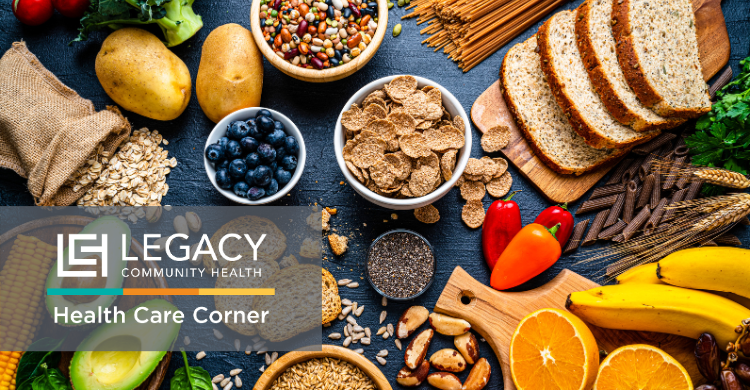
Many health trends that go viral online fall somewhere between completely ridiculous and potentially dangerous. But every once in a while, the internet gets it right. Fibermaxxing is one such trend, that, when done correctly, is actually good for you.
So What Exactly Is Fibermaxxing?
If you’ve been scrolling through your social media feeds lately, you might have stumbled across this catchy term. Fibermaxxing is essentially what it sounds like – maxing out your fiber intake by loading up on fiber-rich foods like fruits, vegetables, legumes, nuts, seeds, and whole grains. Think of it as giving your diet a serious upgrade from the typical American fare.
And speaking of typical American fare…we need to talk about the SAD truth.
The SAD Reality of American Diets
No, really – SAD stands for Standard American Diet, and it lives up to its unfortunate acronym. Most Americans aren’t getting anywhere near the fiber they need, and according to Good Housekeeping, this could be contributing to some serious health issues, like heart disease, type 2 diabetes, various cancers, and obesity.
So how much fiber should you actually be eating? According to Sean Barrett, Nutrition & Fitness Director at Legacy Community Health, your daily fiber goal depends on your age and sex:
- Women under 50: 25 grams per day
- Women over 50: 21 grams per day
- Men under 50: 30 grams per day
- Men over 50: 38 grams per day
How to Fibermax Without the Side Effects
Gradually increasing your fiber intake (emphasis on gradually) can lead to some pretty impressive health benefits, including better weight management and improved digestive regularity. But before you go all-in on fiber, remember that your digestive system needs time to adjust.
“Most people increase their fiber intake too quickly, causing gastritis, or they’re not consistent – eating tons of fiber one day and none for several days,” says Barrett. “Consistency is the key. Start with where you are and increase 5 grams of fiber a week until you meet your goal.”
Here are some simple ways to ease into a fiber-rich diet:
- Add mixed nuts or berries to your morning cereal or oatmeal
- Toss some beans into your favorite soup
- Pile avocado onto your sandwich (as if you needed another excuse)
- Swap white rice for brown rice or quinoa
- Snack on veggie sticks with hummus instead of chips
Worried that eating more fiber means spending more money? It doesn’t have to. Barrett recommends three budget-friendly, high-fiber staples: “Beans are my number one go-to, lentils, and veggies.” All three are affordable, versatile, and packed with the fiber your body needs.
Two Fibers Beat One (Skip the Pills)
You might be tempted to grab a fiber supplement and call it a day, but don’t. Most fiber supplements come packed with additives like sugar and only provide one type of fiber, which brings us to an important point.
Fiber comes in two main varieties, and you need both:
Insoluble fiber slows digestion and adds bulk to your stool (while keeping things moving along).
Soluble fiber slows down glucose spikes and speeds up certain aspects of digestion.
Both types feed different kinds of beneficial bacteria in your gut, creating a happy, healthy digestive ecosystem.
“Making sure you are getting both soluble and insoluble fiber is important,” Barrett notes – another reason to skip the supplements and reach for whole foods instead.
Finding Balance Is Key
As we’ve discussed before in our piece about meat consumption, balance is everything when it comes to nutrition. Fibermaxxing isn’t about perfection or completely overhauling your diet overnight. It’s about making sustainable changes that support your long-term health.
While most people associate fiber with digestive health, the benefits extend much further. “We just feel better when we’re regular,” says Barrett. “Our blood sugars are better regulated, weight is more controlled, and we are at lower risk of chronic diseases such as colon cancer and heart disease.”
While fibermaxxing can benefit most people, some should approach the trend more carefully. Barrett advises that patients with disordered eating or eating disorders need to be monitored, as they may be drawn to the trend for the wrong reasons. Additionally, those with IBS should proceed with caution. “Too much or too little fiber can cause problems depending on what kind of IBS you have,” he explains.
How Legacy Can Help
Navigating nutrition trends can feel overwhelming, and that’s where Legacy Community Health comes in. Our Public Health educators, doctors, and dietitians are ready to offer personalized guidance on how to incorporate more fiber into your diet in a way that works for your body and lifestyle, especially if you have gastrointestinal conditions that require special consideration.
Ready to give fibermaxxing a try? Start small, stay hydrated, and remember: your gut (and the rest of your body) will thank you.
Have questions about nutrition or want to work with one of our specialists? Contact Legacy Community Health to schedule an appointment today.
 HIV/STD Screening & Treatment
 OB/GYN