 Adult Medicine
 Behavioral Health
 Dental
 Endocrinology
 HIV/STD Screening & Treatment
 LGBTQ Services
 OB/GYN
 Pediatrics
 Pharmacy
 Senior Care
 Vaccinations & Immunizations
 Vision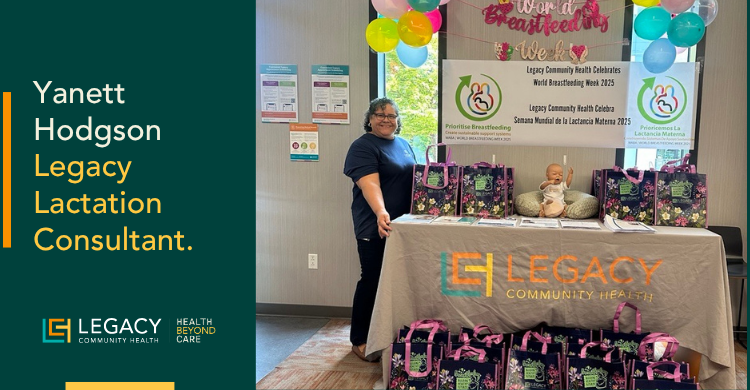
Feeding a new baby can be one of the most special parts of early parenthood. It can also be exhausting, painful, and confusing. For parents who choose to breastfeed, many never get enough support, and that gap is where a good lactation consultant changes everything. At Legacy Community Health, that person is often Lactation Consultant Yanett Hodgson, who has been in the role for 12 years.
Why The Work Matters
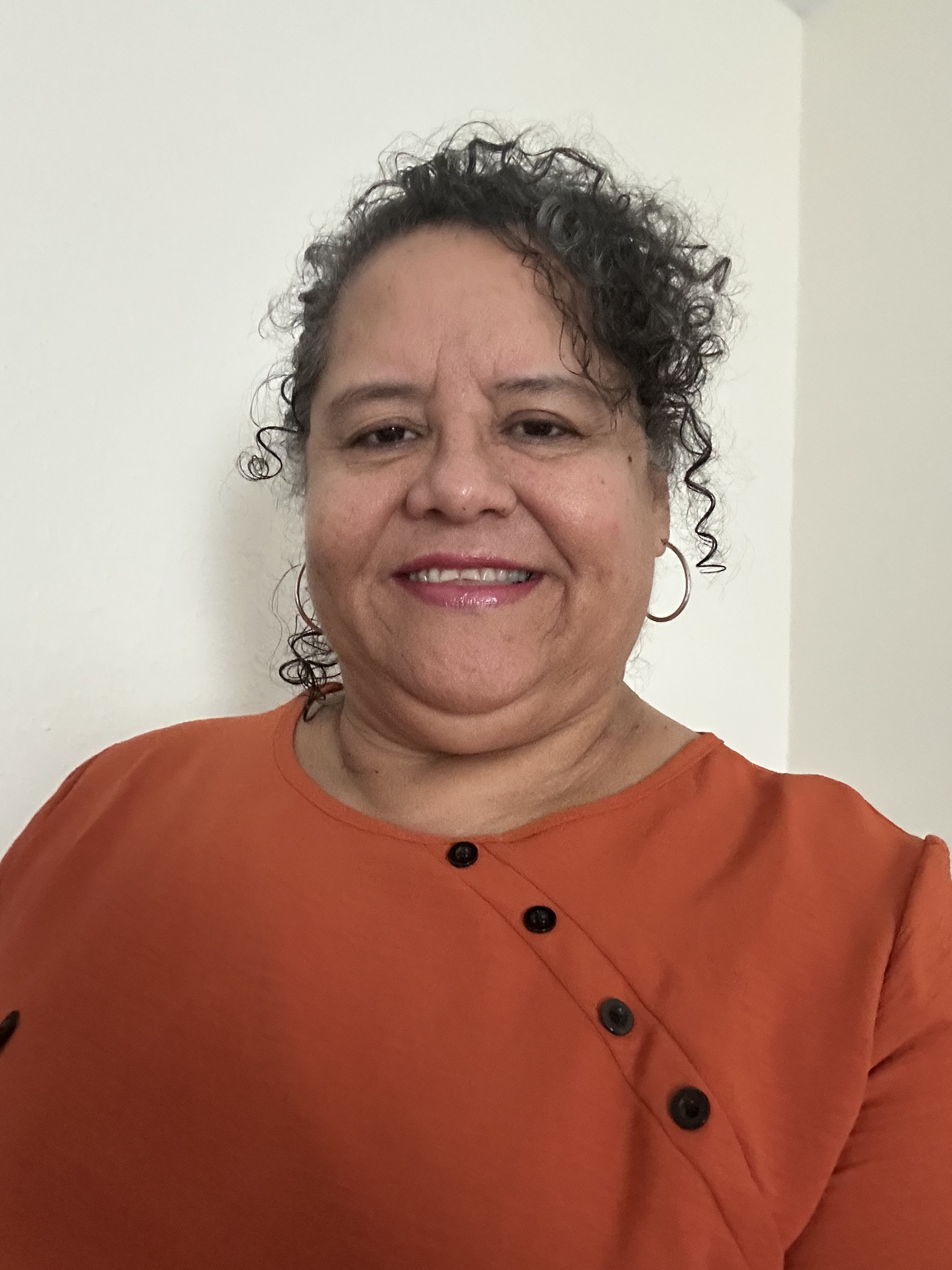
Breastfeeding is not always easy, and Hodgson knows how much a steady presence can help.
“Every family is different, and there’s no one right way to feed a baby,” she said.
Hodgson’s goal is to be someone families can count on, whether that means listening, answering questions, or helping shape a plan that fits her. Lactation support is part of Legacy’s Health Beyond Care commitment, which addresses health beyond the doctor’s office to be there for the whole person and their family.
What Does Good Breastfeeding Support Look Like?
For Hodgson, it starts with being realistic, and success, in her view, is simple. “To me, it means having a healthy baby who is getting enough to eat and a healthy parent who feels supported,” she said. Hodgson often reminds parents that infant feeding is a personal journey with no wrong choice as long as it is theirs.
Day to day, that support is hands-on. She helps parents find a better latch, shows them how to tell when a baby is getting enough, and offers ways to build up supply when it runs low. She is also a firm believer in the Golden Hour, the window right after birth when skin-to-skin contact helps parent and baby bond and gives feeding a strong start.
Why Does Breastfeeding Matter So Much?
Breast milk does more than fuel growth. It carries antibodies against illness, supports brain development, and lowers a parent’s risk of postpartum depression and other serious conditions.
Those benefits are within reach for every family, but the help to get there is not shared evenly. The research Legacy points to is clear that breastfeeding rates vary from one group to the next, and that Black and Hispanic parents often hit more obstacles when they want to nurse. The gap comes down to access, not desire, and that’s why regular, hands-on support makes such a difference.
How Partners and Family Fit In
A new mom rarely does this alone, and Hodgson says the people around her can lower her stress and lift her confidence more than almost anything. “When everyone works together, it makes things easier for both the mom and the baby,” she said.
Hodgson treats partners and family as part of the care team. She shows them simple ways to help at home, walks them through what the mom is going through, and encourages them to come along to appointments so they can hear the guidance firsthand.
The Myths That Refuse to Go Away
These are the misconceptions Hodgson regularly sees.
- Breast size decides how much milk a mom can make
- Breastfeeding is supposed to hurt the whole time
- Breastfeeding is what makes breasts sag. (Actually, pregnancy and genetics matter far more)
Legacy’s prenatal navigation team tackles others, like the belief that formula is always easier. But some concerns are real worries, not myths. The most common is whether a mom is making enough milk for her baby. Usually she is, and structured support shrinks that fear.
What About the Emotional Side?
Sometimes Hodgson can tell a mom is carrying more than sore nipples and lost sleep. She might seem very worried, cry easily, or struggle to bond with her baby. Those can be signs of postpartum depression or anxiety, and Hodgson meets them without judgment.
She reminds parents these feelings are common, then connects them with their OB-GYN, pediatrician, or a mental health provider. Because Legacy’s behavioral health team is part of the same system, that next step is smoother.
Removing the Roadblocks
Language barriers, tough work schedules, and no reliable transportation can all keep families from getting help.
“When that happens, they may miss appointments and their health can get worse,” Hodgson said. “Legacy helps by offering interpreters, flexible appointment times, and telehealth visits.”
Expecting parents can also join a free virtual breastfeeding class through Legacy’s Delfina Care program.
What Does RISE Mean?
This August, National Breastfeeding Month centers on RISE.
- Resilience — getting through the hard days, even when support is thin
- Interdependence — leaning on family, friends, and support groups
- Self-determination — setting their own goals and trusting their instincts
- Empowerment — speaking up and making their own choices
Hodgson keeps coming back to that last word. “Empowerment is what we want families to feel,” she said. “As they learn more and grow confident, they start trusting themselves and making the best choices for their babies.”
What People Get Wrong About Lactation Consultants
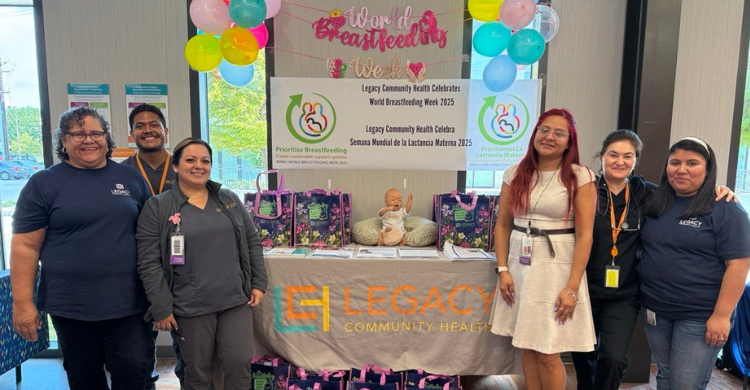
Most people assume the job is just helping babies latch, but it is much bigger. Hodgson helps with medical issues like low milk supply, mastitis, and other feeding problems, supports the emotions that come with feeding struggles, and works closely with doctors and nurses so families get whole-person care.
If you are expecting or feeding a little one, there is a lot of help out there. Learn more about Legacy’s lactation support at legacycommunityhealth.org or call (832) 548-5000.
Sources: Legacy Community Health | CDC | U.S. Breastfeeding Committee

 HIV/STD Screening & Treatment
 OB/GYN