 Adult Medicine
 Behavioral Health
 Dental
 Endocrinology
 HIV/STD Screening & Treatment
 LGBTQ Services
 OB/GYN
 Pediatrics
 Pharmacy
 Senior Care
 Vaccinations & Immunizations
 Vision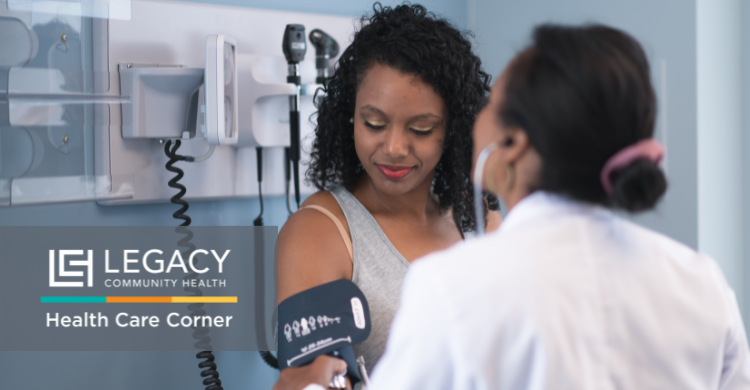
High blood pressure affects nearly half of all women in America, yet many don’t even know they have it. While men get much of the attention when it comes to heart disease, the reality is that heart disease is the leading cause of death for women in the United States and can affect women at any age. According to the CDC, in 2023, it was responsible for the deaths of 304,970 women, or about 1 in every 5 female deaths.
Here’s what every woman should know about protecting her heart health throughout every stage of life.
Why Women’s Blood Pressure Matters
Kaiser Permanente found that more than 44% of women have high blood pressure, and fewer than 1 in 4 women have it under control. Even more concerning? The American Heart Association’s Go Red for Women reports that 51.9% of high blood pressure deaths, otherwise known as hypertension or the “silent killer,” are in women.
High blood pressure is a major risk factor for heart disease, the number one killer of women. Think of your blood vessels like garden hoses. When the pressure gets too high, it puts stress on everything. Over time, this can damage your heart, brain, kidneys, and eyes.
Understanding the Numbers
Two numbers tell you your blood pressure. The first (top) number is the systolic pressure. It shows how hard the blood pushes when your heart pumps. The second (bottom) number is the diastolic pressure. It shows how hard the blood pushes on the artery walls when your heart relaxes between beats.
- Normal blood pressure: Blood pressure is below 120/80.
- Elevated blood pressure: The top number ranges from 120 to 129, and the bottom number is below 80.
- Elevated at-risk blood pressure: The top number ranges from 130 to 139 or the bottom number ranges from 80 to 89.
- High blood pressure: The top number is 140 or higher, or the bottom number is 90 or higher.
Pregnancy and High Blood Pressure
Pregnancy is one of the most significant times to monitor your blood pressure. The CDC reports that pregnant women with high blood pressure have twice the risk of developing heart disease later. Legacy’s OB/GYN team notes that preeclampsia affects 1 in 8 pregnancies and is the leading cause of maternal deaths worldwide. Tell your current doctor if you had high blood pressure during pregnancy.
Dr. Cynthia Roland, MD, a board-certified OB/GYN at Legacy, stresses the importance of being your own health advocate during pregnancy: “I encourage [patients] to ask questions and seek clarity about their care plans. No patient should leave a visit feeling confused or uncertain.”
If you’re experiencing symptoms that might indicate preeclampsia or high blood pressure – don’t hesitate to speak up, even if your concerns have previously been dismissed. (See ‘Symptoms Women Shouldn’t Ignore’ below.)
Dr. Roland also highlights the critical connection between pregnancy-related high blood pressure and your future health: “High blood pressure during pregnancy increases the risk of long-term hypertension, heart disease, stroke, and kidney damage. To ensure ongoing care, these patients must be transitioned to a Primary Care Provider (PCP) for continued blood pressure management.”
Other Factors That Affect Women’s Blood Pressure
Unlike men, women’s blood pressure risk changes throughout their lives. Beyond pregnancy, here are other key factors to be aware of:
- Birth Control: The American Heart Association says that some birth control pills can increase blood pressure, especially in women who are overweight, have kidney disease, or have a family history of high blood pressure. Get checked yearly if you take birth control.
- Menopause: Studies show hypertension occurs twice as often in postmenopausal women. The American Heart Association links menopause-related hot flashes and night sweats to higher blood pressure risk as women produce less estrogen and accumulate more belly fat.
Race and Ethnicity Matter Too
Black women are nearly 60% more likely to have high blood pressure than White women. The American Heart Association’s Go Red for Women reports that out of all women, 57.6% of Black females have hypertension, more than any other race or ethnicity.
Kaiser Permanente research shows that Black women have the highest rates of high blood pressure and 5 times the risk of death. This makes regular monitoring and prevention even more important.
Symptoms Women Shouldn’t Ignore
High blood pressure is called a “silent killer” because many people may not have symptoms. But if you do have symptoms, it might be that your blood pressure has been high for a long time. Some women experience warning signs that they may mistakenly blame on stress or hormonal changes.
Watch for these signs:
- Severe headaches
- Blurry vision
- Chest pain, including feeling like your bra is painfully tight
- Irregular heart rhythm or heart palpitations
- Dizziness
- Fluid retention
- Numbness or weakness on one side of your body
- Sudden swelling or upper abdominal pain (especially during pregnancy)
What You Can Do to Protect Yourself
The good news is you have more control than you think.
- Smart Food Choices: Aim for no more than 1,500-2,000 mg of sodium daily. Hidden sodium sources include bread, deli meats, and pizza. Choose potassium-rich foods like spinach, avocados, and bananas that help relax blood vessels.
- Move Your Body: Federal guidelines recommend 150 minutes of activity weekly. Walking, dancing, or playing with kids all count, no gym needed. Exercise is the “magic bullet” for reducing heart disease, stroke, and blood pressure risks.
- Limit Alcohol: A recent Gallup poll shows Americans are drinking less due to health concerns. Kaiser Permanente recommends no more than 1 drink daily.
- Get Quality Sleep: Aim for 7+ hours nightly. Poor sleep affects hormones and raises blood pressure.
- Manage Stress: Women handle stress differently than men, so find healthy coping strategies through self-care and enjoyable activities.
When and How Often to Get Checked
People 40 and older should get their blood pressure checked once a year. The U.S. Preventive Services Task Force says high-risk adults, including those who are overweight or obese, should also get checked every year. Other adults 18 to 39 can get theirs checked every 3 to 5 years.
If you’re a woman with any of these risk factors, consider more frequent monitoring:
- Family history of high blood pressure
- Taking birth control pills
- Currently pregnant or planning pregnancy
- Going through menopause
- African American heritage
Legacy Is Here to Help
At Legacy Community Health, we understand the unique challenges women face with blood pressure throughout their lives.
If you have chronic high blood pressure, you should always see your doctor before planning a pregnancy to be sure you are on the right medication. Ready to prioritize your heart health? Call Legacy Community Health at 832-548-5000 or schedule your appointment online.

 HIV/STD Screening & Treatment
 OB/GYN