
 Adult Medicine
 Behavioral Health
 Dental
 Endocrinology
 HIV/STD Screening & Treatment
 LGBTQ Services
 OB/GYN
 Pediatrics
 Pharmacy
 Senior Care
 Vaccinations & Immunizations
 Vision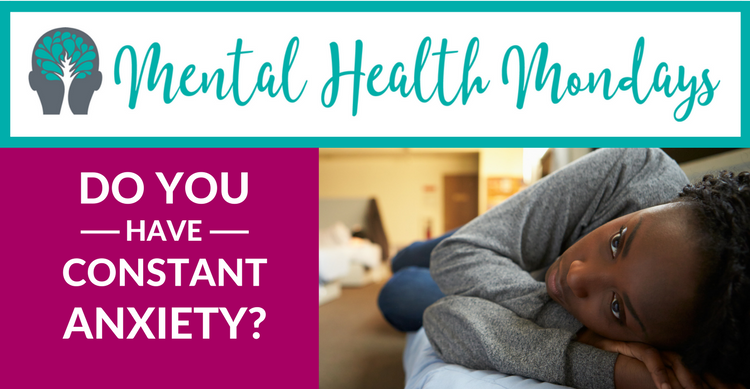
Depression and bipolar disorder may be the most commonly talked about mental health conditions, but anxiety disorders are the most prevalent. Occasional anxiety is normal; constant or excessive anxiety is not. It could be the sign of an anxiety disorder — a serious medical condition.
Category Archives: Behavioral Health Services
22
Jan
Jan
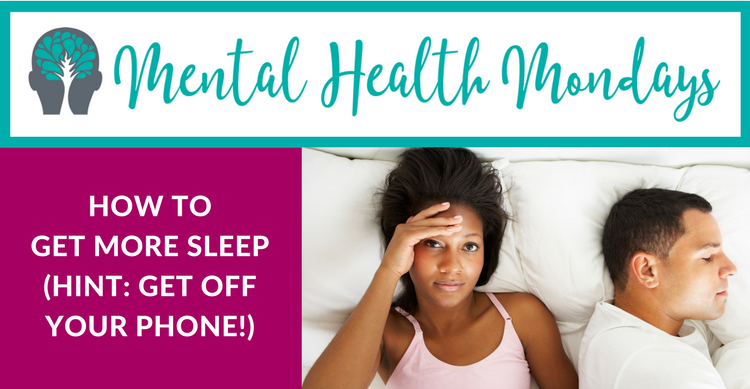
More than a third of adults aren’t getting enough sleep, according to the Centers for Disease Control and Prevention. Medical research shows a lack of sleep affects your physical health, safety (think driving while drowsy), and mental health.
08
Jan
Jan
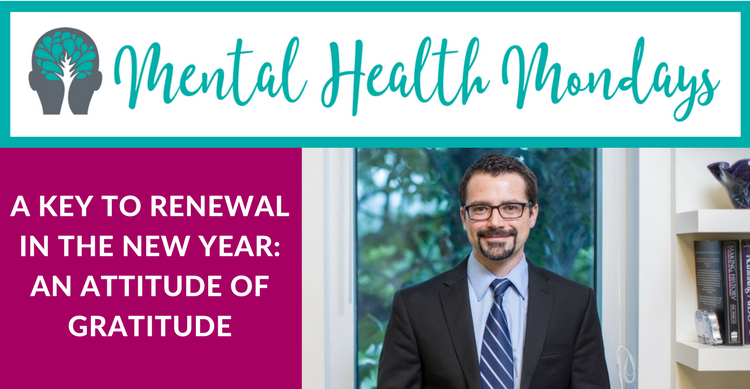
The New Year is a time of renewal for many. People often focus on resolutions such as exercising, healthy eating, improving their career or giving up smoking or drinking. But I’d like to suggest an additional approach to renewal for this coming year. Let’s focus on renewal from a position of gratitude.
19
Dec
Dec
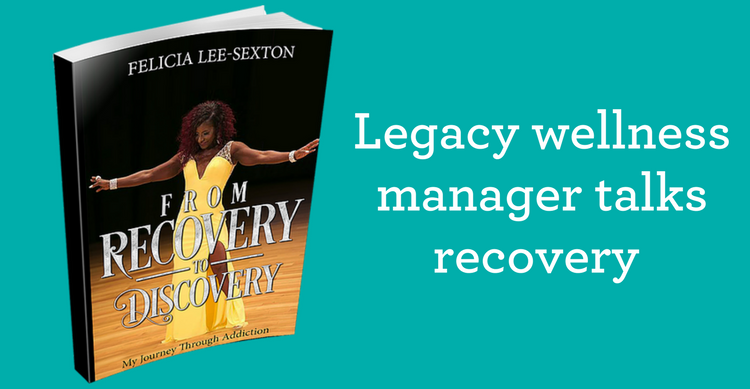
“We’re all addicted to something,” Felicia Sexton said. “It could be food, negative thinking, overworking or drugs and alcohol. Because I’ve overcome addiction, and have been able to restore my health and body, I now want to help patients at Legacy do the same.”
11
Dec
Dec
At least once a week a new patient will respond, “I’m bipolar” when asked about their symptoms and the reason for their visit. They usually describe a history of being happy one minute then sad or angry the next. In everyday conversations, having mood swings is often equated with being bipolar, but bipolar disorder is more complex than just mood swings.
04
Dec
Dec
When it comes to depression, we often think of it as an adult disorder. However, the National Institute for Mental Health indicates that more than two percent of children experience major depressive disorder.
27
Nov
Nov
1 in 5 adults in America experience a mental illness.
20
Nov
Nov
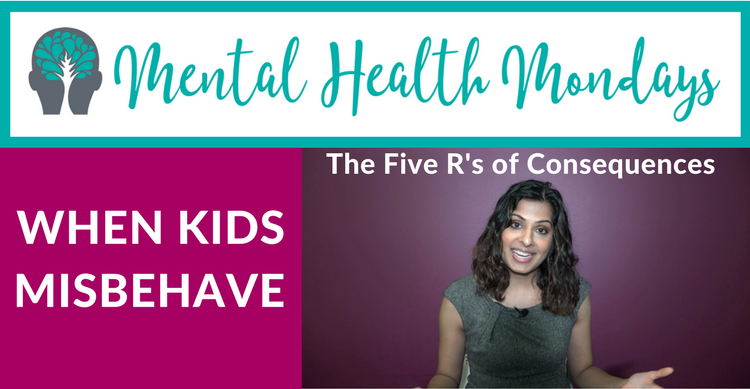
Kids will misbehave, but effective consequences can help them improve. Legacy’s director of therapy services shares a proven technique to help parents cope.
13
Nov
Nov
As a survivor of the holiday blues, I know what it’s like to feel out of it during the holidays when you are supposed to feel all warm and fuzzy. However, I learned to overcome my holiday depression and so can you.
06
Nov
Nov
On average, 15 percent of veterans who served in Vietnam, Desert Storm and or Operation Iraqi/Enduring Freedom are thought to have suffered from PTSD at some point, according to the National Center for PTSD.
But PTSD is not confined to the military.
 HIV/STD Screening & Treatment
 OB/GYN