 Adult Medicine
 Behavioral Health
 Dental
 Endocrinology
 HIV/STD Screening & Treatment
 LGBTQ Services
 OB/GYN
 Pediatrics
 Pharmacy
 Senior Care
 Vaccinations & Immunizations
 Vision
Dear Elaine,
We wanted to put HIV and its relevance on your radar ahead of Vice Presidential debate.


Dear Elaine,
We wanted to put HIV and its relevance on your radar ahead of Vice Presidential debate.

“We’re thrilled to have Dr. Abu-Sulb on board to help us meet the growing demand for pediatric care in Beaumont,” said Candye Anderson, executive director for Legacy Community Health’s Beaumont operations. “We are always striving to expand access to high-quality health care for families in this area, regardless of their ability to pay.”

The luncheon is just days away!
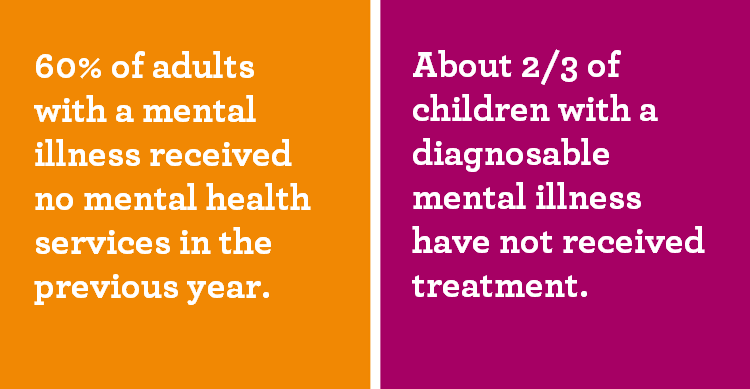
Challenges still persist in the fight to remove stigma from mental illness and improve the diagnosing capabilities. Find out where progress is being made in awareness and treatment of mental illness.
One out of five of the 50 million public school kids exhibit signs of a mental health disorder, including depression, and anxiety. Mental disorders dramatically affect a child’s ability to learn.
Mark your calendars! Legacy’s 14th Annual Luncheon is September 26th at the Wortham Theater. The luncheon will honor Dr. Kelli Cohen Fein for her leadership in the community and commitment to provide compassionate medical care. All proceeds for this event will benefit Legacy’s Little Readers program, which promotes reading to Legacy’s youngest patients and their …

Hillary Clinton rolled out a comprehensive plan to address mental health services earlier this week. The plan focuses on an early diagnosis and intervention, enforcing mental health access regardless of income, and provide training to law enforcement officers on how to handle situations where people are struggling with mental health problems.

Legacy CEO Katy Caldwell was named one of this year’s “Women on the Move,” an annual award by Texas Executive Women going back decades in Houston.

Americans getting treatment for a mental health condition is difficult for many, and may be even worse for young African Americans and Hispanics

Mental health is just as important as physical health. Over the past few years, incidents involving bullying have escalated across campuses throughout the US.
 HIV/STD Screening & Treatment
 OB/GYN